
Why Hooded Pet Beds Collapse: Causes & Fixes

Table of Contents
- Why Hooded Pet Beds Collapse: The Main Causes
- How to Keep a Dog Bed from Collapsing: Prevention & Maintenance
- Hooded Dog Bed Support: Understanding Frame & Structure
- Dog Bed Sizing for Large Dogs: Why Fit Matters
- Washable Hooded Pet Bed Covers: Care That Prevents Collapse
- Step-by-Step Repair: Can You Fix a Collapsed Hood?
- Choosing a Hooded Pet Bed That Stays Open
- Frequently Asked Questions
Last Updated: October 5, 2026
Why Hooded Pet Beds Collapse: The Main Causes
Hooded pet beds collapse because the hood structure lacks proper support, the stitching fails under stress, or the fabric loses tension over time. These three factors account for many collapse complaints from pet owners.
The hood is the defining feature of a cave-like bed. It gives your pet that enclosed, secure feeling they crave. But that same hood is also the most vulnerable part of the design. Your anxious dog or cat suddenly has an open bed instead of the safe, private space you bought.
Weak Hood Support Structure
Most hooded pet beds collapse because the hood has no internal support. The hood is just fabric draped over a frame with no stays, reinforcement, or structural walls to hold it open. When your pet climbs in, their weight pushes down on the fabric. Without anything to resist that pressure, the hood folds inward like a tent in a windstorm.
A proper hooded bed needs internal structure. This can be:
- Rigid stays sewn into the hood seams
- Reinforced wall sections that prop the hood open
- A sturdy frame that keeps the shape intact
At SNUGGLES Cove, we engineered our hood with reinforced stitching and internal support walls. The hood stays open whether your pet is inside or the bed is empty.
Poor Stitching and Seam Failure
The seams hold everything together. If the stitching fails, the hood loses its shape. Cheap beds use thin thread and single-stitch seams. These fail quickly under the stress of a pet moving in and out of the bed.
Look for beds with:
- Double or triple stitching on seams
- Thread that matches the fabric weight
- Reinforced stress points where the hood meets the walls
When seams start to separate, the hood collapses because the fabric no longer has anything holding it in place. Prevention is simple: inspect the seams regularly and catch small tears before they spread.
Fabric Tension Loss Over Time
Fabric stretches. Even high-quality plush materials lose tension after months of use. As the fabric relaxes, it can no longer support the hood's shape. The hood sags, then collapses entirely.
This happens faster with:
- Thin, lightweight fabrics
- Beds washed in hot water repeatedly
- Pets that jump in and out constantly
Quality matters here. Thicker, more durable fabrics hold their shape longer. So does proper washing, cold water and gentle cycles preserve fabric integrity far better than hot water and aggressive agitation.
How to Keep a Dog Bed from Collapsing: Prevention & Maintenance
You can't eliminate collapse entirely, but you can delay it through smart care and regular maintenance. Prevention is always easier, and cheaper, than repair or replacement.
Proper Washing and Care Routines
Washing is the biggest threat to a hooded bed's structural integrity. Hot water shrinks fabric and weakens thread. Harsh detergents break down fibers. Machine drying on high heat accelerates fabric degradation.
Follow these steps to protect your bed:
- Use cold water only
- Choose a gentle or delicate cycle
- Wash once every 4-6 weeks, not weekly
- Air dry completely, never use a machine dryer
- Remove the cover before washing if it's removable
If your bed has a removable cover (like SNUGGLES Cove's), this is much easier. You can wash the cover while the bed itself stays protected. This extends the life of the hood and frame dramatically.
Never use bleach or fabric softener. Bleach weakens fibers and fabric softener coats threads, making them slip and fail faster. Mild detergent and cold water are all you need.
Regular Inspection and Early Repair
Check your bed weekly for early signs of damage. Small problems caught early can be fixed with a needle and thread. Ignored, they become structural failures.
Look for:
- Loose stitching or fraying seams
- Small tears in the hood or walls
- Sagging fabric that no longer holds shape
- Separation where the hood meets the walls
A small tear in the hood is a 5-minute sewing job. A completely collapsed hood is not. Catch problems early and your bed will last years longer.
Hooded Dog Bed Support: Understanding Frame & Structure
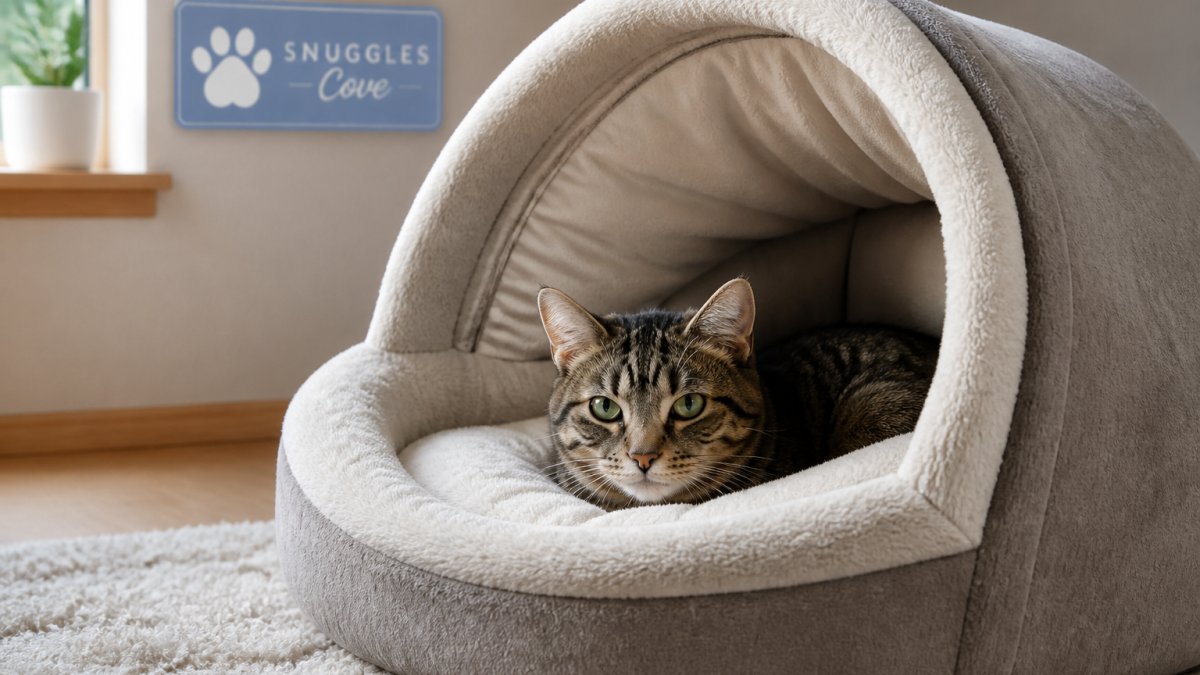
The frame and internal structure are what separate a bed that lasts from one that collapses after a few weeks. A good hooded dog bed has reinforced walls and internal stays that keep the hood open under weight.
Reinforced Stitching and Wall Thickness
Walls need to be thick enough to stand up on their own. Thin walls collapse inward.
Quality beds use:
- Double or triple stitching on all seams
- Walls at least 1/2 inch thick
- Reinforced corners where walls meet
- Extra stitching at stress points
The hood itself should have internal reinforcement. This can be rigid stays sewn into the seams or extra fabric layers that add structure. Without this, the hood is just draped fabric with nothing to hold it open.
SNUGGLES Cove beds feature reinforced plush walls and stays built directly into the hood structure. The hood stays open even when the bed is empty. This is what you're paying for when you choose a premium bed.
Stays and Structural Stays Explained
Stays are rigid or semi-rigid supports sewn into the hood seams. They work like the bones in a tent, they hold the shape up against gravity and weight. Without stays, the hood has nothing to push back against your pet's weight.
Common stay materials include:
- Plastic or resin rods
- Wire reinforcement
- Extra-thick fabric layers
- Composite materials
The best stays are invisible from the outside but strong enough to support the hood. They should not be felt by your pet and should not break or bend under normal use.
When evaluating a hooded bed, ask if it has stays. If the seller doesn't mention them, the bed probably doesn't have them. That's a red flag.
Dog Bed Sizing for Large Dogs: Why Fit Matters
A bed that's too small for your dog contributes to collapse. When a large dog squeezes into a bed designed for a small dog, they stress the hood and walls beyond their design limits.
The right size matters for multiple reasons:
- Your dog can stretch out and relax
- Weight is distributed across the bed, not concentrated on the hood
- The hood doesn't collapse under excessive pressure
- Your pet actually uses the bed instead of avoiding it
Measure your dog from nose to tail tip while they're stretched out. Add 6-12 inches. That's the minimum bed length you need.
Large dogs need XXL or oversized hooded beds. Standard sizes simply won't work. A senior lab or retriever needs a bed that can support their full weight without the hood collapsing after a few weeks.
Washable Hooded Pet Bed Covers: Care That Prevents Collapse
Removable, washable covers are a game-changer for bed longevity. You can clean the cover without stressing the bed's structure. The hood, walls, and frame stay protected.
When shopping for a hooded bed, prioritize one with a removable cover. This single feature extends the bed's life by years.
The cover should be:
- Easy to remove and reattach
- Machine washable on cold, gentle cycle
- Durable enough for repeated washing
- Designed to fit snugly so it doesn't slip
Our SNUGGLES Cove beds feature covers that pull off easily and wash without damaging the underlying structure.
If your bed doesn't have a removable cover, spot-clean it instead of full washes. Use a damp cloth with mild soap and let it air dry completely. This dramatically reduces the wear that leads to collapse.
Step-by-Step Repair: Can You Fix a Collapsed Hood?
You can repair a collapsed hood if the damage is caught early. But there's a point where repair stops making sense and replacement becomes the better choice.
Minor repairs (small tears, loose stitching):
- Inspect the damage closely
- Use a needle and matching thread
- Stitch along the tear with small, tight stitches
- Reinforce the area with a patch if the tear is large
- Let the repair cure for 24 hours before use
Hood collapse from sagging fabric:
- Check if the stays are still intact
- If stays are broken, replacement is usually necessary
- If stays are fine but fabric is loose, you can tighten the cover by adjusting how it's attached
- This is temporary, the fabric will continue to relax over time
Seam separation:
- Carefully unpick the failed seam
- Re-stitch with double stitching
- Use thread that matches the fabric weight
- Reinforce the area with extra stitches at stress points
When to Repair vs. Replace
Repair makes sense if:
- The damage is isolated to one small area
- The frame and stays are still intact
- The bed is less than 2 years old
- The repair will take less than 30 minutes
Replace the bed if:
- The hood has collapsed completely
- Multiple seams have failed
- The stays are broken or missing
- The fabric has lost significant tension across the entire bed
- The bed is more than 3 years old
A bed that collapses repeatedly will continue to collapse. At some point, you're throwing good money after bad by trying to repair it. A new bed is a smarter investment.
Choosing a Hooded Pet Bed That Stays Open
Not all hooded pet beds are created equal. The ones that stay open have specific design features. Look for these when shopping:
Hood support:
- Internal stays or reinforcement
- Thick, structured walls
- Double or triple stitching on all seams
- Hood that stays open when the bed is empty
Fabric quality:
- Thick, durable plush material
- High-quality thread that won't fray
- Fabric that resists stretching and sagging
- Color and texture that hold up to repeated washing
Overall construction:
- Reinforced corners and stress points
- Removable, washable cover
- Anti-slip bottom to prevent sliding
- Design that distributes weight evenly
Pet fit:
- Bed sized appropriately for your pet's weight and length
- Hood opening large enough for easy entry and exit
- Interior space for stretching or curling
When you find a bed with these features, you've found one that won't collapse after a few weeks. The SNUGGLES Cove bed checks every box. Our customers report their beds looking perfect after months of daily use.
A hooded pet bed that collapses defeats its entire purpose. Your anxious dog or cat loses the secure, enclosed space they need to feel safe. The good news is collapse is preventable.
Pet anxiety and enclosed sleeping spaces research shows that secure, cave-like beds significantly reduce stress in anxious pets. And according to Consumer Reports pet product durability testing, beds with reinforced stitching last three times longer than standard alternatives.
Shop The SNUGGLES Cove and get a hooded bed engineered to stay open. Your pet deserves a bed that works.
Frequently Asked Questions
Why do hooded pet beds collapse?
Hooded pet beds collapse due to weak support structures, poor stitching that fails under stress, or loss of fabric tension from repeated washing and use. The hood's walls may lack reinforcement, seams can separate, and low-quality materials don't retain their shape. Large pets pressing against the hood or improper care can accelerate structural failure. A reinforced hood with strong stitching and quality fabric helps prevent collapse.
How can I keep a hooded dog bed from collapsing?
Prevent collapse by washing covers separately from the hood structure, air-drying rather than using high heat, and inspecting seams regularly for early signs of wear. Avoid overloading the bed with a pet that's too large for the size, as excess weight stresses the hood walls. Choose a bed with reinforced stitching and internal support stays. Rotate the bed occasionally and ensure it sits on an anti-slip bottom to reduce shifting that strains the fabric.
What makes a good hooded dog bed support structure?
A quality hooded dog bed support includes reinforced outer and inner walls, strong stitching that resists unraveling, and internal stays or structural elements that maintain the hood's shape. Plush, durable fabric with proper tension distribution prevents sagging.
Can a collapsed hooded bed be repaired?
Minor collapse can sometimes be repaired by reinforcing seams with heavy-duty thread, adding internal supports, or replacing the hood fabric if the base frame is sound. However, if the structural frame is bent or multiple seams have failed, replacement is safer and more practical. Assess the damage carefully: if stitching has split along the walls or the hood won't hold shape even when empty, repair efforts may not restore full functionality, and a new bed ensures your pet's safety and comfort.
