
How to Clean Pet Bed Covers: A Step-by-Step Guide

Table of Contents
- Why Regular Cleaning Matters for Your Pet's Health
- How Often to Wash Dog Bedding and Pet Covers
- How to Remove Pet Hair from Bedding Before Washing
- Preparing Your Pet Bed Cover for the Wash
- How to Wash Pet Bedding in Your Machine
- Cleaning a Dog Bed with a Non-Removable Cover
- Drying Your Pet Bed Cover Safely
- Troubleshooting Persistent Odors and Stains
- Frequently Asked Questions
Last Updated: October 18, 2026
Why Regular Cleaning Matters for Your Pet's Health
Keeping clean pet bed covers is just as important as providing a clean water bowl. Your pet spends hours every day on their bedding, and that space collects dirt, dander, bacteria, and allergens. Over time, these accumulate and can trigger skin irritation, respiratory issues, or infections. Regular washing keeps your pet healthier and your home fresher.
Pet beds also develop odors quickly, especially if your pet has accidents or spends time outdoors. Washing removes these smells and the bacteria causing them. At SNUGGLES Cove, we designed our removable clean pet bed covers specifically so owners can wash them easily.
Think of it this way: you wouldn't wear the same clothes for weeks without washing them. Your pet shouldn't either. A clean sleeping space is one of the simplest ways to support your pet's wellbeing.
How Often to Wash Dog Bedding and Pet Covers
Most pet owners should wash their dog bed covers every 1-2 weeks. If your pet sheds heavily, has accidents, or spends time in muddy areas, wash weekly. Cats typically need washing every 2-3 weeks unless they have long hair or health issues.
The right schedule depends on these factors:
- Shedding level: Heavy shedders need weekly washing
- Pet health: Senior pets or those with skin conditions benefit from more frequent washing
- Household activity: Indoor pets need less frequent washing than outdoor pets
- Visible dirt or odor: If you notice buildup, wash immediately
- Allergies: Homes with allergy sufferers should wash weekly
Spot-cleaning between washes helps extend the time between full washes. Quick vacuuming or brushing removes surface hair and debris, keeping the bed fresher longer.
How to Remove Pet Hair from Bedding Before Washing
Pet hair clogs washing machines and reduces cleaning effectiveness. Removing hair before washing protects your machine and ensures better results. This step takes just 5-10 minutes and makes a huge difference.
Start by taking the cover outside or to a well-ventilated area. Pet hair floats everywhere, so containing it before it spreads through your home is smart. Shake the cover vigorously several times to loosen embedded hair.
Using a Pet Hair Removal Tool
A pet hair removal tool or grooming glove is the fastest way to remove loose hair. These tools have rubber nubs or bristles that grab hair without damaging fabric.
Here's how to use one:
- Put on the glove or grab the tool
- Rub the cover in firm, circular motions
- Work section by section across the entire surface
- Wipe collected hair into a trash bin
- Repeat on both sides of the cover
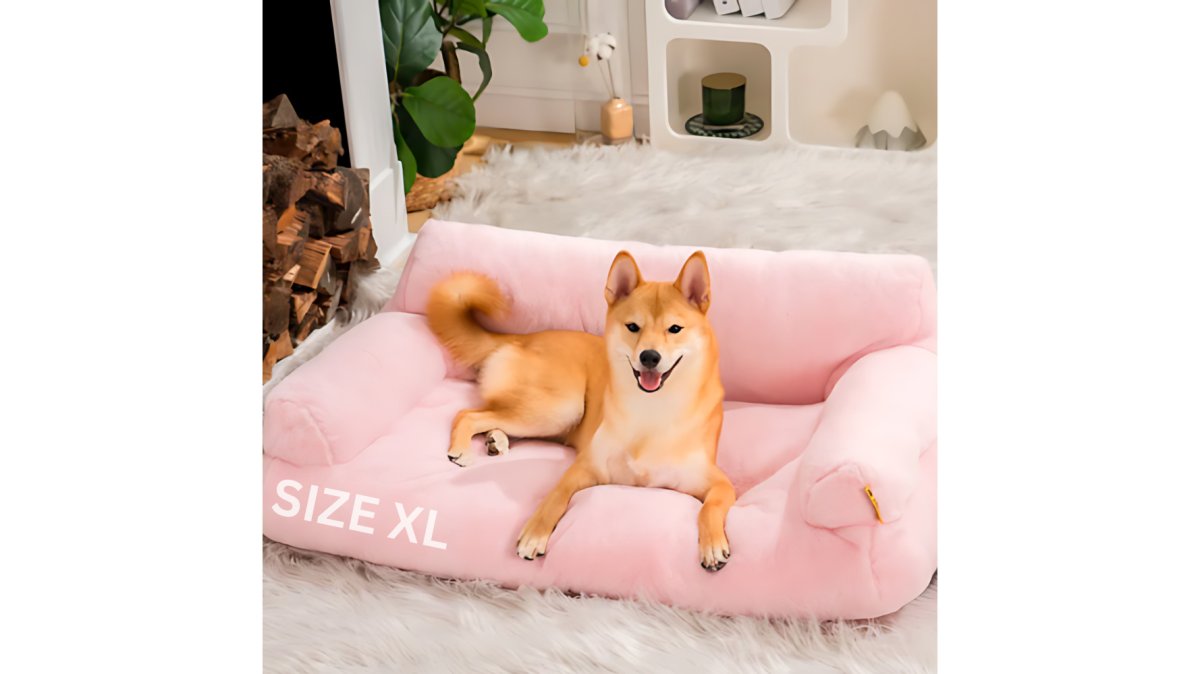
The WooF Premium Plush Bed, for example, includes a free pet hair remover glove with every purchase, making this step even more convenient.

Vacuuming and Brushing Techniques
Vacuuming works well for heavier fabrics. Use an upholstery attachment if your vacuum has one. Run it over both sides of the cover, working in overlapping strokes to catch all the hair.
For lighter fabrics like fleece or sherpa, a soft-bristled brush is gentler. Brush in one direction to push hair toward the edge, then collect it. This method takes slightly longer but protects delicate materials.
Combine methods for best results: use a hair removal tool first, then vacuum or brush to catch what remains. This two-step approach removes up to 90% of loose hair before washing.
Preparing Your Pet Bed Cover for the Wash
Proper prep prevents damage and ensures your cover comes out clean. A few minutes of preparation saves time and money in the long run.
Checking the Care Label
The care label is your most important guide. It tells you the maximum water temperature, whether bleach is safe, and the recommended cycle. If the label is missing or faded, look for these clues:
- Fleece or sherpa: Use cold water and gentle cycle
- Cotton or cotton blend: Warm water and normal cycle work well
- Waterproof liners: Cold water and gentle cycle only
- Delicate fabrics: Cold water and delicate cycle
When in doubt, choose cold water and a gentle cycle. This protects the fabric and prevents shrinking.
Removing the Cover from the Bed
Most quality pet bed covers have zippers that make removal simple. Open the zipper fully before attempting to remove the cover. Pull gently and evenly to avoid straining the seams.
If your bed has a non-removable cover, skip ahead to the section on cleaning non-removable covers. For removable covers, separate the foam insert or bolsters from the cover completely.
Pre-treating Stains and Odors
Stains set when exposed to heat, so pre-treat before washing. For fresh stains, blot with a damp cloth to remove excess moisture.
For stubborn stains, apply a small amount of mild detergent directly to the stain. Let it sit for 10-15 minutes. For odors, white vinegar works well: mix one part vinegar with three parts water, spray lightly on the affected area, and let it dry before washing.
Never use bleach on colored pet bed covers unless the care label explicitly allows it.
How to Wash Pet Bedding in Your Machine
Washing correctly keeps your cover looking new and ensures it stays clean. The right cycle and temperature matter more than you might think.
Choosing the Right Cycle and Water Temperature
Cold water is the safest choice for most pet bed covers. It prevents shrinking, protects colors, and reduces energy use. Warm water works for heavily soiled covers, but check the care label first.
For cycle selection:
- Gentle or delicate cycle: Best for fleece, sherpa, and waterproof liners
- Normal cycle: Fine for sturdy cotton or cotton-blend covers
- Heavy-duty cycle: Only for very dirty covers made of durable material
Use the gentle cycle when in doubt. A longer wash with less agitation cleans effectively while protecting fabric integrity.
Selecting Pet-Safe and Mild Detergent
Pet-safe detergent is crucial because pets rest their faces on the cover. Strong chemicals can irritate skin, eyes, and respiratory systems. Look for detergents labeled "pet-safe," "hypoallergenic," or "unscented."
🐾 WooF - Pet Sofa "Premium Plush" Bed →
Avoid these ingredients:
- Bleach or oxygen bleach
- Dyes or perfumes
- Heavy perfumes or essential oils
Use less detergent than the bottle recommends. Too much soap leaves residue that irritates skin. A quarter cup is usually plenty for a standard washing machine. Rinse the cover twice to remove all soap residue.
Fabric-Specific Washing Instructions
Different materials need slightly different care:
Fleece and Sherpa: Use cold water, gentle cycle, and mild detergent. These fabrics pill if washed too vigorously. Never use fabric softener.
Waterproof Liners: Cold water and gentle cycle only. Hot water can damage the waterproof coating.
Cotton and Cotton Blends: Warm water and normal cycle work well. These fabrics are durable and tolerate standard washing. Check the label for color-fastness before using warm water.
Delicate or Embellished Covers: Cold water and delicate cycle. If your cover has embroidery, appliqués, or special stitching, use a mesh laundry bag to protect these details during washing.
Cleaning a Dog Bed with a Non-Removable Cover
Not all pet beds have removable covers. If yours doesn't, you have options that don't involve replacing the entire bed.
For surface cleaning, vacuum the bed thoroughly, then use a fabric cleaner designed for upholstery. Spray lightly, let it sit for 5-10 minutes, and wipe with a damp cloth. Work in sections to avoid over-saturating the fabric.
For deeper cleaning, spot-treat stains with a mixture of mild detergent and water. Apply with a soft brush, working gently to avoid pushing dirt deeper. Rinse with a damp cloth and allow to air-dry completely.
If the bed is very soiled, consider using a carpet cleaner with an upholstery attachment. Test on a hidden area first to ensure the cleaning solution won't damage the fabric.
For beds with non-removable covers, regular vacuuming and spot-cleaning extend the life significantly.
Drying Your Pet Bed Cover Safely
How you dry the cover matters as much as how you wash it. Improper drying can damage fabric, create mildew, or cause shrinking.
Air-drying is the safest method for most covers. Hang the cover on a clothesline or lay it flat on a clean surface. Choose a well-ventilated area with indirect sunlight. Direct sunlight can fade colors, so find a shaded spot if possible.
For faster drying, use a dryer on the lowest heat setting. Check the care label first; some fabrics shouldn't go in the dryer at all. If using a dryer, remove the cover while still slightly damp to prevent over-drying and shrinking. Shake it out and lay flat to finish drying.
Never use high heat on pet bed covers.
Make sure the cover is completely dry before putting it back on the bed. Damp fabric creates an environment for mold and mildew.
Troubleshooting Persistent Odors and Stains
Some stains and odors don't disappear after one wash. The good news is that most respond to targeted treatment.
For persistent odors, white vinegar is your best tool. Mix equal parts white vinegar and water in a spray bottle. Lightly mist the affected area and allow it to air-dry.
For stubborn stains that remain after washing, repeat the pre-treatment process. Apply mild detergent or a stain remover directly to the stain, let it sit for 15-30 minutes, then wash again.
If your pet has accidents, act quickly. Fresh urine comes out more easily than old urine. Blot immediately, apply an enzymatic cleaner (pet-safe), let it sit for the recommended time, then wash.
For covers that smell musty after storage, wash them with a cup of white vinegar in place of detergent. Vinegar removes stale odors without leaving chemical residue. Dry thoroughly in sunlight if possible.
Keeping your pet's bed clean doesn't have to be complicated. The SNUGGLES Cove features reinforced plush hoods that stay open and removable covers designed for easy cleaning, so you can spend less time on laundry and more time with your pet. Veterinary guidance on pet hygiene and health emphasizes that clean sleeping surfaces reduce the risk of skin infections and respiratory issues.
| Fabric Type | Water Temperature | Cycle | Drying Method |
|---|---|---|---|
| Fleece/Sherpa | Cold | Gentle | Air-dry or low heat |
| Cotton Blend | Warm | Normal | Air-dry or low heat |
| Waterproof Liner | Cold | Gentle | Air-dry only |
| Delicate/Embellished | Cold | Delicate | Air-dry only |
Frequently Asked Questions
Can you put a pet bed cover in the washing machine?
Yes, most removable pet bed covers are machine-washable. Always check the care label first to confirm washing instructions and recommended water temperature. If your cover has a zipper, unzip it completely before washing. Separate the cover from any foam inserts or bolsters, as these typically require different care. Machine-washable covers should be washed on a gentle or delicate cycle with cold or warm water to protect the fabric and prevent shrinkage.
How often should you wash a pet bed cover?
Wash pet bed covers every 1-2 weeks for regular maintenance, or more frequently if your pet is heavily soiled, sheds excessively, or has accidents. Senior pets or those with skin conditions may benefit from weekly washing. Between washes, vacuum or brush the cover to remove loose hair and debris, which reduces odor buildup and keeps the bed fresher longer. Regular washing maintains hygiene and extends the life of your pet bedding.
How do you remove pet hair from a bed cover before washing?
Start by shaking the cover outdoors to loosen debris. Use a pet hair removal tool, lint roller, or rubber broom to brush away embedded hair. For stubborn shedding, vacuum the cover thoroughly with an upholstery attachment. You can also use a damp cloth or sponge to wipe the surface and collect hair. Removing hair before washing prevents clogging your washing machine, improves wash quality, and protects your machine from damage.
What is the best way to get dog odor out of a pet bed cover?
Soak the cover in cold water mixed with white vinegar (1 part vinegar to 4 parts water) for 30 minutes before washing. Wash with a pet-safe, unscented detergent on a gentle cycle with cold water. Avoid bleach, which can damage fabric and irritate your pet's skin. Air-dry completely in sunlight if possible. For persistent odors, repeat the vinegar soak or consider sprinkling baking soda on the dry cover and letting it sit for several hours before vacuuming.
